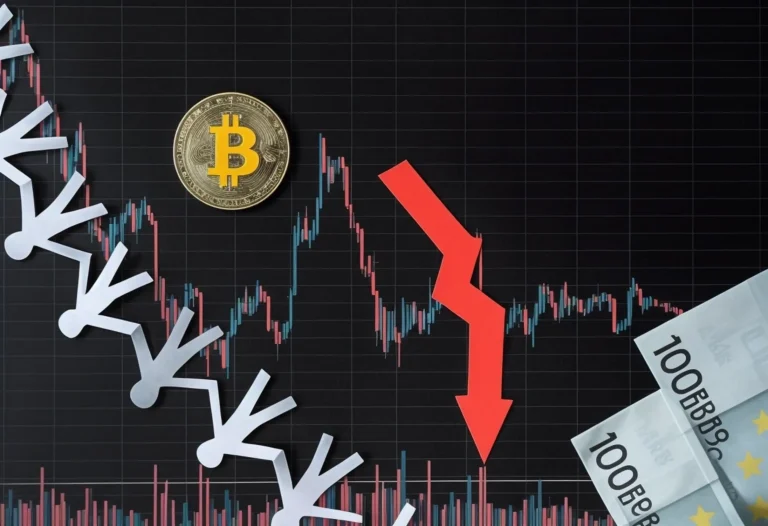



With the current economic instability, understanding Bitcoin price dynamics is crucial for navigating market volatility. We explore the unfolding trends and factors influencing Bitcoin’s trajectory and what they mean for investors right now.
The Significance of Current Bitcoin Price Movements
The Bitcoin price has always been affected by various factors, and recent market activities have amplified these influences. As investors react to shifting economic conditions, we see significant fluctuations in Bitcoin’s valuation. Recent reports indicate that a combination of rising inflation and speculation surrounding geopolitical events has made Bitcoin increasingly volatile, leading to drastic price changes almost daily. This market instability has also altered investor sentiment, creating a sense of urgency around decision-making.
Understanding these price movements is essential for anyone invested in cryptocurrencies. As the digital currency market evolves, the potential for high returns is matched by the risks associated with significant losses. For example, trading patterns often reflect the broader economic landscape, meaning that investors need to closely monitor financial news and economic trends to make informed decisions—something that can be particularly daunting in today’s turbulent climate.
Exploring Economic Pressures on Bitcoin
Several economic factors are currently affecting Bitcoin’s market position. For instance, inflation rates have surged in various economies, causing investors to seek alternatives to traditional fiat currencies. As inflation increases, the allure of Bitcoin as a hedge against devaluation becomes apparent, driving some investors towards digital currencies. Additionally, changes in interest rates can have a considerable impact on investment decisions. Higher interest rates typically lead to lower spending and investing, as obtaining loans becomes more expensive. This connection means that shifts in monetary policy can directly influence Bitcoin’s demand and, subsequently, its price.
Historically, major financial events have shown how sensitive Bitcoin is to economic changes. For example, experts note that past crises have often led to peaks in Bitcoin purchases, as investors turn to cryptocurrency when traditional markets appear unstable. This interplay between Bitcoin and economic events underlines the importance of viewing cryptocurrency through the lens of economic indicators.
Bitcoin Crash: Lessons from Recent Events
Recent price drops of Bitcoin serve as a reminder of the cryptocurrency’s inherent volatility. Analyzing significant crashes reveals that they are often precipitated by specific catalysts, such as regulatory announcements or macroeconomic fears. Historical patterns indicate that each downturn is frequently followed by a phase of recovery, though the path is seldom smooth.
For example, during the past year, we witnessed Bitcoin plummet following news of increased regulations in major markets. Trader reactions to these downturns reflect broader market psychology, where panic can often lead to further sell-offs. A strong understanding of these psychological factors can be crucial for any investor looking to navigate future downturns effectively.
Cryptocurrency Trends Shaping the Future
The cryptocurrency landscape is rapidly evolving, with Bitcoin at the forefront of these changes. Emerging trends such as decentralized finance (DeFi) and non-fungible tokens (NFTs) are reshaping how investors view and interact with digital assets. As these innovations grow in popularity, they create both opportunities and challenges for Bitcoin.
To remain relevant, Bitcoin must adapt to these emerging trends. Unlike newer cryptocurrencies that cater specifically to niche markets, Bitcoin often serves as a benchmark against which other cryptocurrencies are measured. Understanding how Bitcoin aligns with or diverges from these trends can help investors make more strategic decisions about their portfolios.
Investment Strategies Amidst Economic Turmoil
Navigating through a volatile market necessitates a robust investment strategy. For Bitcoin investors, managing risk and protecting capital is paramount. A few actionable strategies include:
– Diversifying Investments: Allocating funds across different cryptocurrencies can mitigate losses in any single asset.
– Setting Stop-Loss Orders: This can help limit potential losses during sudden market drops.
– Staying Informed: Regularly following market news and trends can provide an edge in decision-making.
Adopting these strategies successfully often requires continuous education. As market dynamics change, so too should investment approaches, reflecting a commitment to understanding the complex nature of cryptocurrencies.
Understanding Market Volatility and Its Implications
Market volatility is a fundamental aspect of cryptocurrencies, and it plays a crucial role in determining Bitcoin price. Defined as the frequency and magnitude of price fluctuations, volatility can greatly influence trader behavior and market dynamics. Historical analysis shows that cryptocurrencies, particularly Bitcoin, experience volatility spikes during economic uncertainty, as investors react quickly to news or events.
To cope with market fluctuations, investors must recognize these patterns and develop strategies for leveraging volatility. For example, understanding cycles of market behavior can help investors predict potential downturns or rallies.
Responding to Changing Cryptocurrency Landscapes
Adaptability is key in the ever-evolving cryptocurrency world. Investors must differentiate between long-term and short-term strategies based on current market conditions and future projections. While some may prefer holding Bitcoin for its potential long-term value, others may seek short-term trading opportunities to capitalize on volatility.
Moreover, ongoing education is crucial as external influences constantly shape the landscape of digital currencies. Familiarizing oneself with industry trends, economic risks, and technological innovations ensures investors remain informed and prepared for any future developments in the Bitcoin space.