As stagflation looms in the economic landscape, understanding its implications is crucial for individuals and businesses alike. This complex phenomenon encompasses rising prices, stagnant growth, and potential financial instability, making it vital to recognize its imminent effects on the US economy and our lives.
Understanding Stagflation’s Key Features
Stagflation is an economic condition characterized by the combination of stagnant economic growth, high unemployment, and high inflation. This triad of factors creates a uniquely challenging environment for policymakers and consumers alike. Unlike traditional inflation, which typically occurs during periods of strong economic growth, stagflation presents a paradoxical situation where inflation rises simultaneously with decreased economic output.
Historically, stagflation is rarely observed and typically only arises under extreme conditions. A notable instance occurred during the 1970s, when oil shocks—primarily from OPEC—led to soaring oil prices. The United States experienced high inflation rates, peaking at nearly 14% in 1980, coupled with unemployment rates exceeding 10% (recent analysis). Understanding these key characteristics of stagflation helps to frame the current economic challenges facing the US.
The Connection Between Stagflation and the US Economy
Currently, the U.S. economy is facing pressures that hint at a potential stagflation scenario, largely influenced by external factors such as global supply chain disruptions and geopolitical tensions. As inflation climbs, which was reported to be around 8% recently, the economic growth rate remains sluggish, leading to increased fears of unemployment (
Industry experts note).
This situation has severe implications for employment rates, as employers may hesitate to hire new workers with rising costs and uncertain demand. Wages are also affected, with stagnant growth failing to keep pace with inflation, eroding consumers’ purchasing power. This cycle of stagnation could have long-term consequences on economic growth, potentially resulting in a recession if left unchecked.
Global Events Influencing Stagflation
Global conflicts play a significant role in shaping economic dynamics, which is particularly evident in the context of the Iran war. This conflict has disrupted oil supplies, leading to increased oil prices that contribute directly to inflation in the U.S. higher oil prices inflate transportation and production costs, which are inevitably passed down to consumers.
As U.S. imports increase in price due to these global events, inflationary pressures will continue to exert strain on domestic markets. International trade relationships become tenuous, as fluctuating oil prices create further instability in economic forecasting and planning. Consequently, the link between global conflict and domestic economic stability remains potent.
The Role of Cryptocurrency During Economic Strain
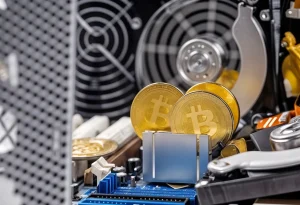
In an economy grappling with stagflation, cryptocurrency emerges as a potential alternative investment, offering a hedge against traditional inflation. As traditional asset values fluctuate, crypto assets might provide renewed interest as a store of value. While the volatility of cryptocurrencies presents a unique risk, some investors view them as a refuge during economic turbulence.
Additionally, recent legislative changes in Wisconsin regarding crypto staking illustrate a shifting perspective on these digital assets. The debate around the exemption of cryptocurrency staking from unauthorized securities trading fosters optimism about passive income opportunities (Wisconsin Public Radio). Advocates like artist Tiara Nicole have highlighted potential economic benefits, noting the importance of having diverse income streams during uncertain times.
Economic Impact on Households and Businesses
The ramifications of stagflation for households are profound, primarily through the erosion of purchasing power. As prices rise, consumers find it increasingly difficult to maintain their quality of life. Basic expenses like food and housing are placed under pressure, resulting in curtailed spending in other areas of the economy.
To adapt, households should consider financial strategies such as budgeting and prioritizing essential purchases. Businesses, on the other hand, may need to adopt innovative operational strategies to navigate rising costs. Streamlining operations, leveraging technology, and reassessing pricing models can help manage challenges posed by stagnating economic growth.
Potential Solutions Amidst Economic Turmoil
Mitigating the impacts of stagflation may hinge on effective government intervention. Policymakers must explore monetary and fiscal measures aimed at stimulating growth without exacerbating inflation. Community initiatives promoting economic resilience can also foster adaptability within local economies.
Individually, maintaining financial flexibility is crucial. Strategies to weather economic challenges include diversifying investments and reducing debt to cushion against potential financial shocks. As stagflation defines a challenging economic landscape, an informed approach becomes vital for protecting financial interests in a time of uncertainty.